Your AI deserves a face
OpenAI’s dots, Grok and Meta’s Muse are making AI more personal. The next question is what that personality should look like. We have a few thoughts about casting.
Your assistant has a name. It remembers the project. It can keep working after you close the window. The job description is getting quite impressive.
We would like to discuss casting.
Personal AI is becoming something you return to. It has context, a particular way of speaking, and a growing collection of things you have asked it to remember. Giving that experience a face feels like a natural next step. You have already chosen how it helps. Choosing how it appears belongs in the same conversation.
The faces have started arriving
OpenAI’s dots are agents that can keep working between conversations. You can name yours and choose its shape, colour, eyes, glasses and accessories. Ongoing responsibility has acquired a wardrobe.
Grok offers another view of the shift. Its Grok Bot product gives AI teammates names, jobs and persistent context. Separately, Companions are part of the Grok iOS app. Personal assistance and character conversation are developing alongside each other, with different jobs to do.
Meta’s Muse makes the design question particularly clear. In its account of designing Muse, the team describes how people imagined different identities for the agent they were talking to. Choosing an avatar, a name and a style became part of making it their own.
These products take different approaches. Together, they suggest a direction we find interesting: the interface is becoming something you can recognize as yours.
A face has a job
A face can carry the small moments that text leaves to your imagination. A raised eyebrow. A pause before a reply. The unmistakable expression of someone who has been asked to explain the spreadsheet again.
Character design gives those moments a consistent language. Voice, posture, timing and expression can all belong to the same personality. The character feels considered because the choices agree with each other.
Meta is exploring that territory directly. Its Muse Realtime Avatar research describes generating expressive conversational video from reference imagery, with speech and movement synchronized. The examples demonstrate research capabilities; Meta notes that they do not all represent avatars available in the app.
That distinction matters. A convincing demonstration opens a design possibility. Turning it into an experience people can depend on takes more work.
Let people choose the cast
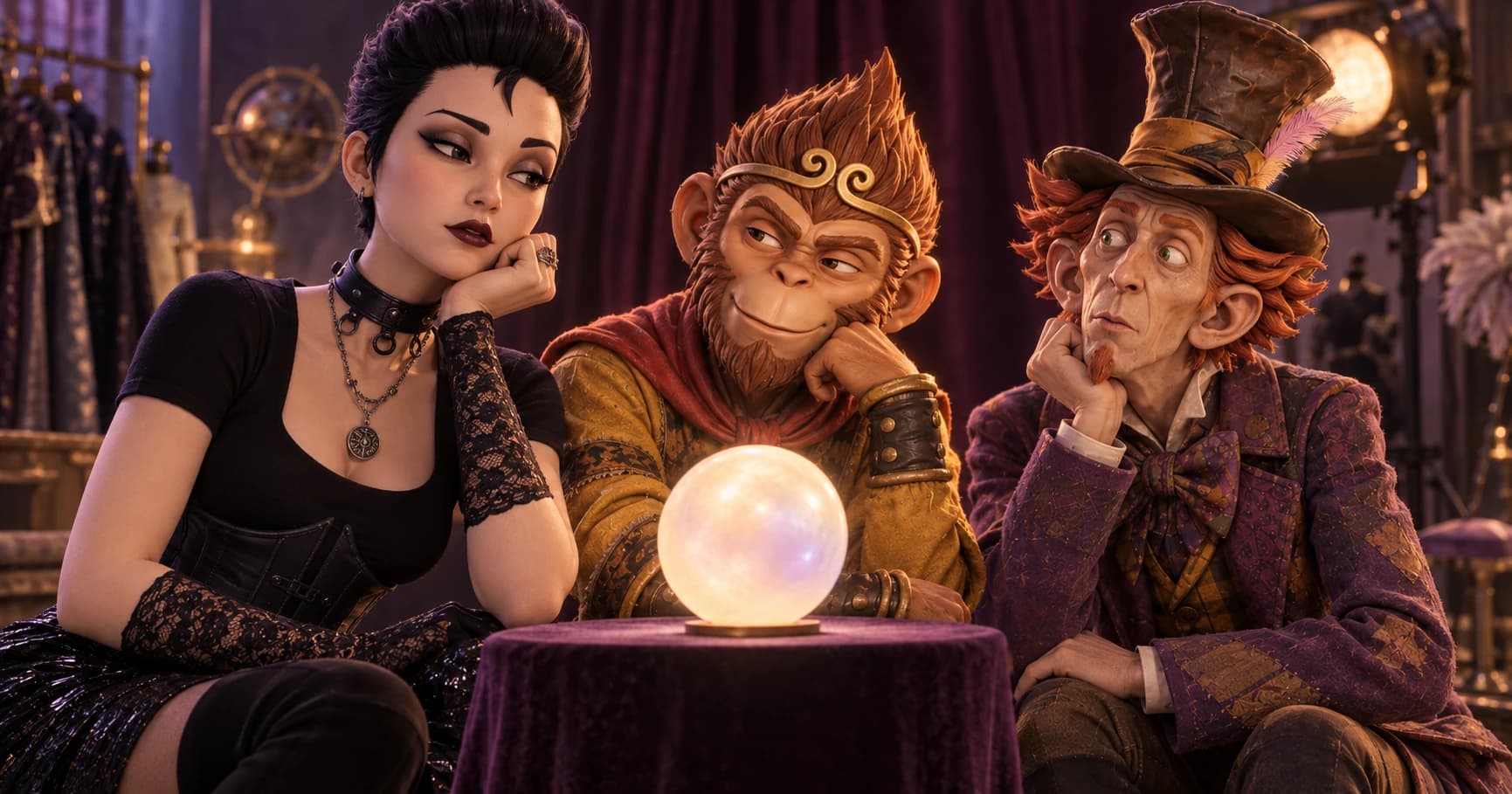
You might choose Sun Wukong for the riddles and the nerve. Goth Girl brings dry wit from the Moonlit Ruins. The Mad Hatter will make room for one more idea. He has already set a place.
Personalization should leave room for all of those choices. A face does not have to be human. It can be stylized, strange, understated or entirely invented. It should also be optional. Some days you want a performance. Some days you want the answer and a little silence.
The useful question is how well the character fits the person and the task. A persistent assistant gives that design room to develop. You recognize the voice. You know the mannerisms. The visual identity can become part of that continuity.
The first experiment can be small
There is already a practical opening for people who like to build. Meta documents custom connectors: Muse can write integrations for services that expose APIs or command-line tools, within its permissions system.
That makes a modest experiment worth investigating. A first prototype could let Muse search a small, read-only catalog of published Vizlings, then return a character’s portrait and page. One brief. A few familiar faces. A recommendation you can actually inspect.
From there, we could investigate giving one approved response to a character to perform. A working connector and a live avatar interface are separate pieces. Access, timing, interruption and permission handling would need to be tested for each platform. The sprawling cinematic universe can wait until the microphone works.
Good character. Honest mechanics.
A charming face still needs to tell you what is happening. Listening should be clear. Waiting should be clear. An error should be explained in plain language. You should be able to interrupt, mute or step away.
An expression also cannot stand in for evidence. A confident smile says nothing about whether an answer is correct. The sources, limits and controls still need to be there. Good character design makes those mechanics easier to understand.
This is familiar ground for Vizlings
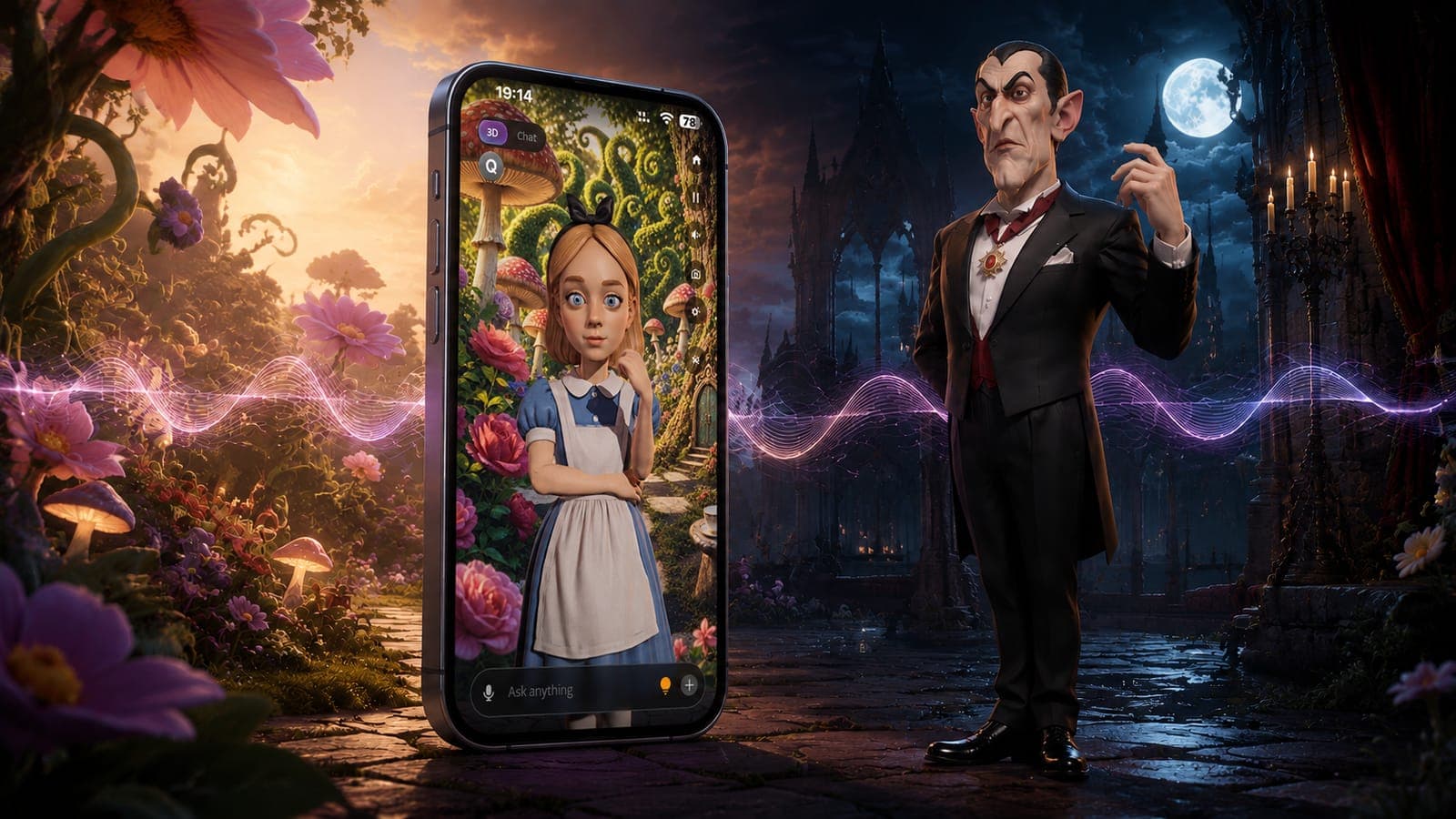
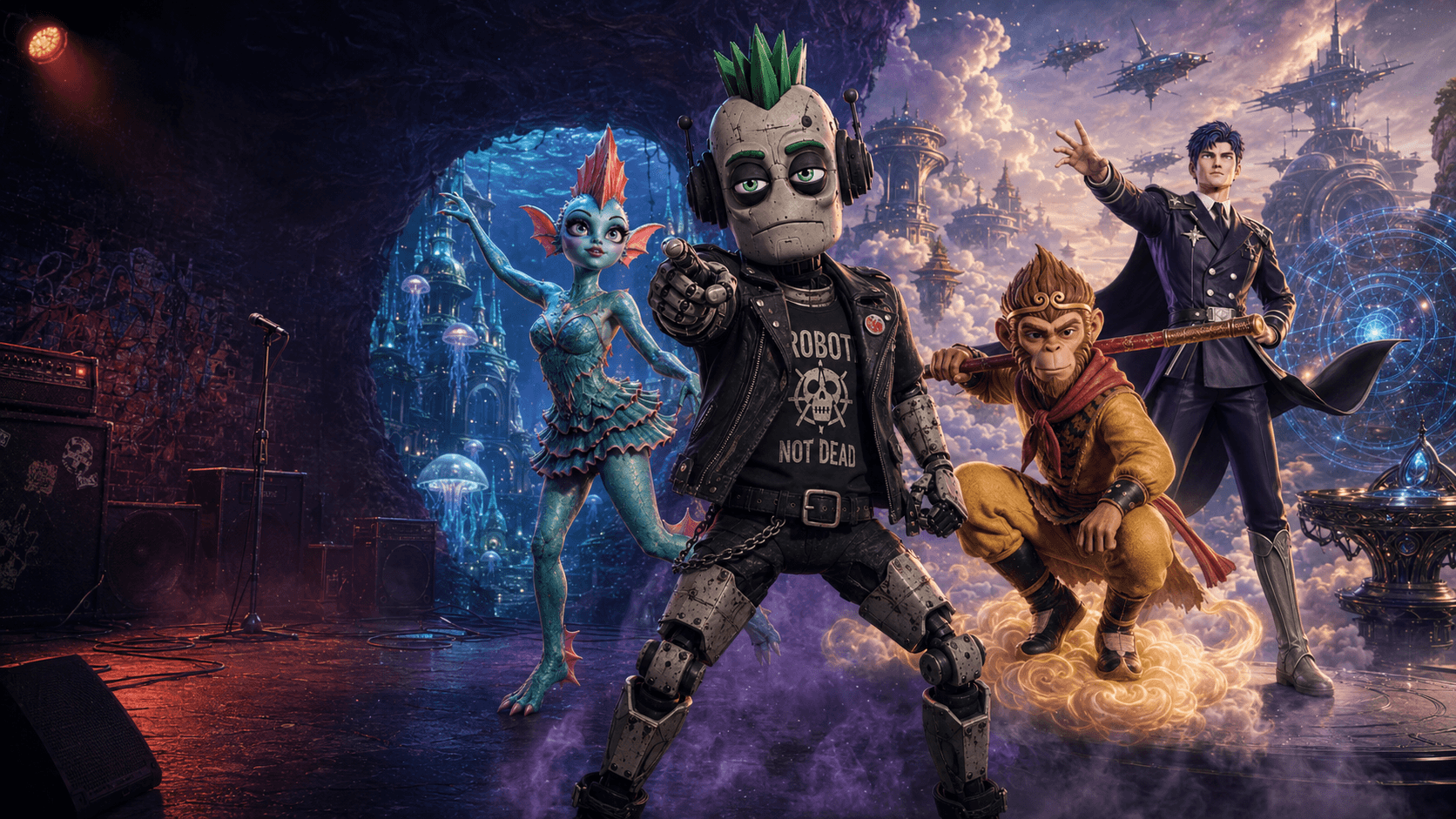
Vizlings starts with expressive 3D characters: a look, a voice, a personality and a world to inhabit. You can meet the cast or create a character of your own. That is the experience we are building today.
Personal agents give us another direction to explore. They are compelling candidates for a visual presence because people already shape their roles, voices and context. Bringing a Vizling into those systems would mean building and testing the connection. The creative brief is already rather good.
Your AI has plenty to say. We think you should get a say in who delivers it.
Create your own Vizling. Casting is open.
Keep reading
What is Vizlings? Expressive 3D characters, explained
The honest tour: expressive 3D AI characters that talk and remember, an iOS app, a web studio, a character creator, and memory that stays yours.

Meet the eight house worlds
A guided tour of all eight open Vizlings worlds, from the Nocturnals' night academy to Star Team's bridge, and the ownership deal waiting behind the doors.
Meet Vizlings: characters with a life of their own
Expressive 3D AI characters you can talk to by voice or text — and a studio for creating one entirely your own. Here is what Vizlings is, and where it goes next.